
Reviewed · KAMPALA CITY TOURS
Kampala guided walking tour
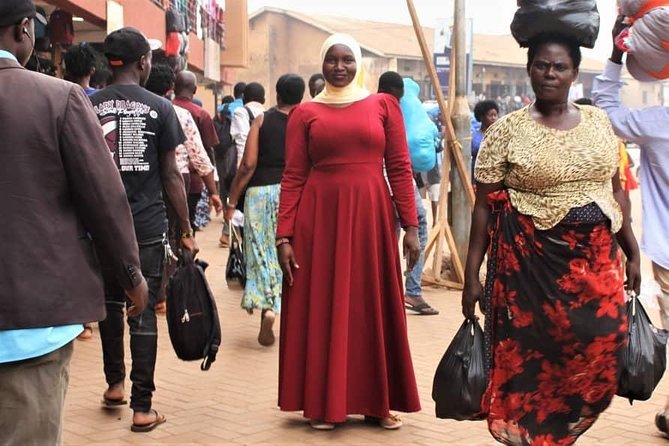
Kampala rewards curious walkers. This four-hour tour takes you from the Uganda National Mosque through markets, monuments, temples, transport hubs, and craft stalls, giving you a useful look at the city’s daily rhythm rather than only its postcard sights. I especially like the market stops, where a guide helps you handle places that can feel confusing on your own, and the chance to connect Kampala’s religious and political history in one compact outing.
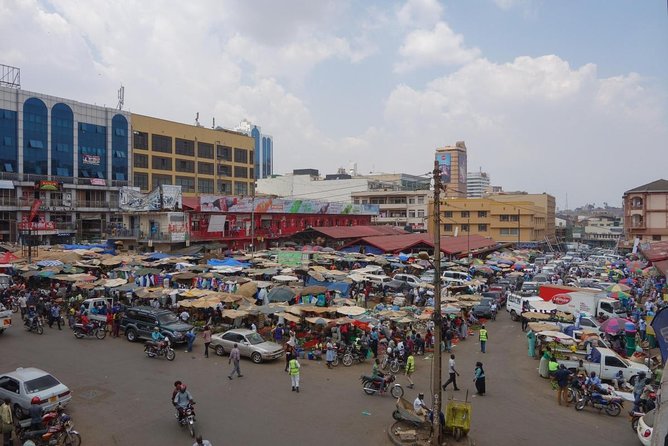
I also like the care shown by guide Fatumah, whose friendly, patient approach earned repeated praise. She has helped visitors find cash, stamps, food, and their way through busy markets while keeping an eye on safety. The main consideration is cost: the $35 fee does not include entry to Gaddafi National Mosque or Kabaka’s Palace, and you should expect additional admission charges if you want both guided interiors.
In This Review
- Key points to know before you book
- Starting above Kampala at Uganda National Mosque
- Kabaka’s Palace and the story of Buganda
- Owino Market, Kampala’s sensory overload
- The Old Taxi Park and Kampala’s daily movement
- Nakasero Market for food and spices
- Temples, monuments, and Uganda’s public story
- National Theatre and Bagala Craft Market
- What the $35 price really gives you
- How much walking and energy to expect
- Who will get the most from this tour
- Booking advice and small practical details
- Should you book the Kampala guided walking tour?
- FAQ
- How long is the Kampala guided walking tour?
- Where does the tour begin?
- Is the mosque admission included?
- Is Kabaka’s Palace included?
- What language does the guide speak?
- Can I cancel or pay later?
Key points to know before you book
- Begin at Uganda National Mosque: Pay the mosque entry fee, receive the required Islamic dress, then climb the minaret for one of Kampala’s best city views.
- Markets are the heart of the walk: Owino and Nakasero show different sides of local shopping, food, spices, and everyday trade.
- Fatumah is a major strength: She is praised for patience, safety awareness, flexibility, and clear explanations.
- History appears in small doses: The route links the Kabaka’s Palace, independence monument, Muteesa monument, gorilla monument, and Impala monument.
- Plan for extra spending: Mosque and palace admissions are separate, and you may want money for local food, coffee, spices, or crafts.
- The pace is manageable but active: You walk between many city sights, so this suits people who want close contact with Kampala rather than a vehicle-based tour.
Starting above Kampala at Uganda National Mosque
The tour begins at Uganda National Mosque, also known as Gaddafi National Mosque. The mosque is more than a meeting point. It gives you an early lesson in Kampala’s religious life and provides a broad view over the city from the minaret.
You must pay the mosque admission separately. You also change into the required Islamic dress before entering. That is an important practical detail. Dress respectfully, follow the guide’s instructions, and allow a little extra time for the entry process.
The minaret is one of the strongest reasons to begin here. From above, you can get your bearings before walking into the city’s streets. Kampala spreads out in a way that makes a high viewpoint useful, especially if this is your first visit.
The mosque visit also sets the tone for the rest of the afternoon. This is not just a monuments tour. You move through places connected with faith, royal tradition, commerce, public transport, politics, and popular culture.
More Kampala city tours:
- Kampala Walking City Tours (Women Guided)
★ 5.0 · 115 reviews - Kampala Walking Tour (3 Hours) with Optional Gaddafi Mosque Visit
★ 5.0 · 112 reviews - Steve Kampala Walking tours (Airpals Safaris tour)
★ 5.0 · 89 reviews
Kabaka’s Palace and the story of Buganda
The next major stop is Kabaka’s Palace, the historic home connected with the king of Buganda. The palace visit requires a separate payment and comes with its own guided tour.
This stop adds political and royal context to a city that can otherwise seem like a fast-moving mix of roads and shops. Your guide can explain why the palace matters and how Buganda fits into Uganda’s wider story.
The palace is best understood as a place where history remains tied to living institutions and local identity. It is not simply an old building to photograph. Give the guide your attention here, since the meaning of the site depends on the explanation.
Because there are several paid attractions on the route, keep some Ugandan shillings or another suitable form of payment available. The advertised $35 covers the walking experience and several listed admissions, but it does not cover the mosque or palace entry.
Owino Market, Kampala’s sensory overload
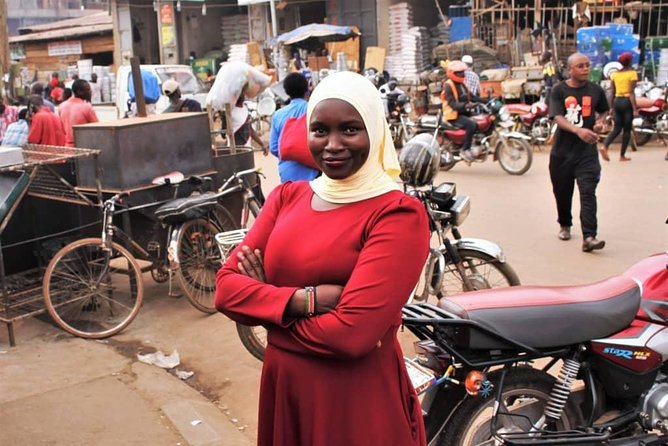
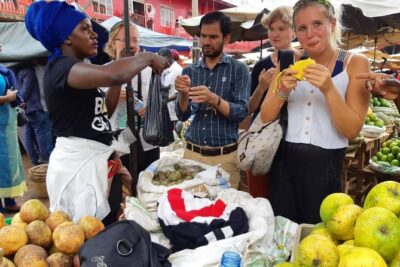
Owino Market is one of the tour’s most useful stops. It is described as Kampala’s biggest market, with food and second-hand goods packed into a maze-like setting.
This is where a local guide earns the fee. You can see the market without trying to work out every turn yourself, and Fatumah has been praised for knowing how to guide people through its less obvious corners. The experience is active, close-up, and practical. You may find clothing, household goods, produce, and other everyday items changing hands around you.
Do not expect a polished shopping center. Owino is a working market, and the appeal lies in seeing how Kampala shops and trades. It can feel crowded and difficult to read without help. Stay close to your guide and keep your personal belongings secure, as you would in any busy city market.
One particularly useful feature is the tour’s flexibility. Fatumah has helped people stop for cash or stamps when needed, and she adjusts to reasonable requests. That can make a real difference on a walking tour, since small errands often matter as much as formal sights.
The Old Taxi Park and Kampala’s daily movement
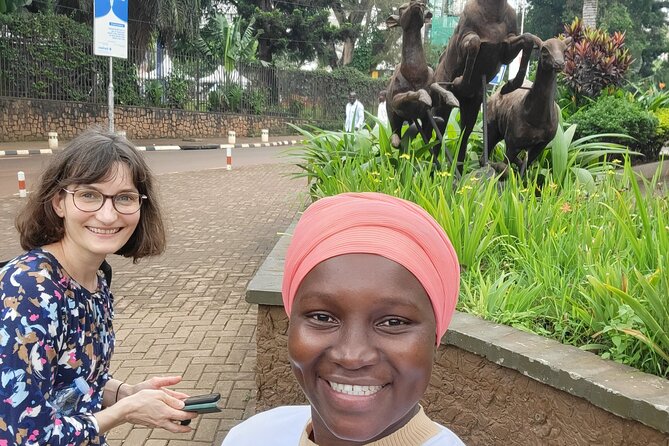
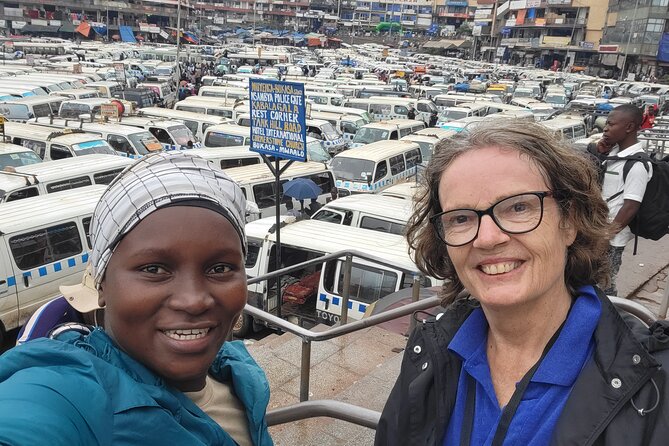
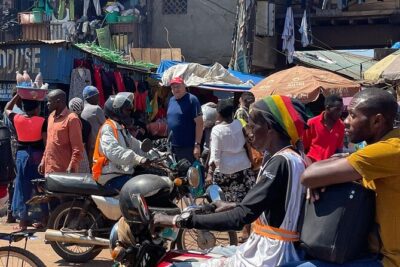
The Old Taxi Park gives you a look at public transport in Kampala. People board shared cars here, making it a practical city hub rather than a display built for sightseeing.
A guide helps explain how the place works and why it matters to daily life. For me, this kind of stop often tells you more about a city than another monument. You see how people move, where routes converge, and how urban life organizes itself around transport.
The stop is listed as a guided visit, and the admission is included. Keep your expectations grounded. The Old Taxi Park is not a quiet historic attraction. It is part of the city’s working machinery, so noise, movement, and confusion are part of what you are seeing.
The route may include an optional restaurant break for local food, a rolex, or coffee on a balcony with a city view. A rolex is a Ugandan street-food favorite made with eggs and chapati. The food stop is not included in the tour price, but it gives you a chance to pause and try something closely tied to local life.
More walking tours in Kampala:
- Kampala’s Best Experience walking tour
★ 5.0 · 137 reviews - Inside Kampala Walking Tour (Female Guided)
★ 5.0 · 52 reviews - Kampala: City Guided walking sightseeing Tour
★ 4.7 · 52 reviews - Kampala: 3-Hour Walking Tour with Optional Gaddafi Mosque
★ 4.6 · 50 reviews
Nakasero Market for food and spices
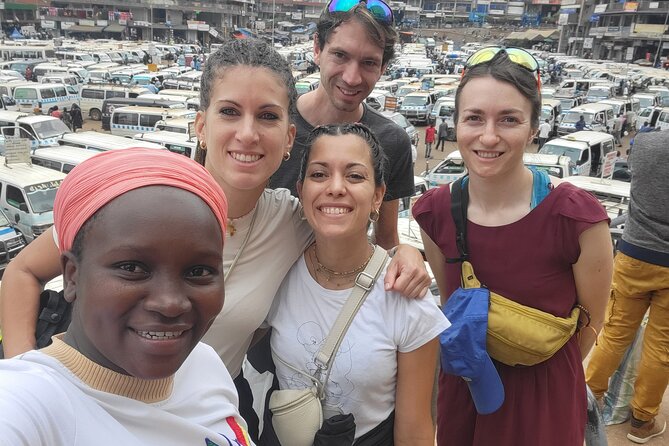
Nakasero Market shifts the focus from transport and second-hand goods to food shopping. You can browse produce and, if you need them, buy spices to take with you.
This is a good place to ask questions. A guide can help explain what you are seeing and point out items that may not be familiar. If you like bringing home edible souvenirs, spices may be more useful than another decorative object, though you should check your own airline and customs rules before buying.
The market is included in the tour price. It also gives the four-hour route some balance. You are not moving only from one formal landmark to another. Instead, you spend time in places where residents shop and carry on with ordinary business.
The practical limit is time. Since the route includes many stops, this is a market visit rather than a long, unhurried shopping session. If you want to buy several items, tell the guide early so you can use the available time well.
Temples, monuments, and Uganda’s public story
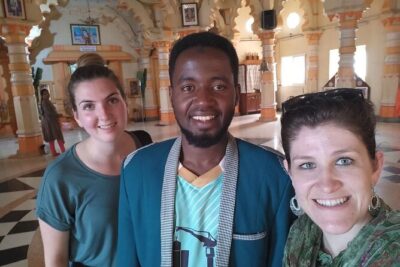
The route continues through several smaller but meaningful sights. The Hindu temple introduces another part of Kampala’s religious life, including the story of Hinduism’s arrival in Uganda.
This stop is valuable because it widens the picture beyond the mosque and Christian or royal references. You get a more complete sense of the communities that have shaped Kampala. The provided route description includes the temple even though the shorter itinerary lists only some of the main stops, so confirm the exact sequence and available time when booking.
You also visit the monument to Sir Edward Muteesa, Uganda’s first president. The guide explains why it was created and places the figure within Uganda’s political story.
The Independence Monument then turns the focus to Uganda’s road to independence. It is a quick visual stop, but the explanation gives it purpose. Without context, a monument can be only a photograph. With a guide, it becomes part of a larger story about national identity and political change.
Another stop is the gorilla monument, linked to Uganda’s main attraction and one of the country’s ten national parks. This creates a bridge between city sightseeing and the wildlife experiences that draw many people to Uganda.
The Impala monument explains the origin of Kampala’s name. It is a small detail, but exactly the sort of detail that is easy to miss without someone pointing it out.
National Theatre and Bagala Craft Market

The National Theatre is described as Uganda’s oldest theatre. It also displays portraits of the kings of Uganda’s five main kingdoms, making it a useful cultural stop near the end of the walk.
This part of the route helps show that Kampala’s identity is not only tied to markets and traffic. The city also has performance, artistic, royal, and national traditions. You may find the theatre more rewarding if you listen to the explanation rather than treating it as a quick exterior photo.
The final stop is Bagala Craft Market. This is where you can shop for souvenirs and finish the tour at a natural place to browse gifts.
Craft markets are more enjoyable when you have an idea of what you want before you arrive. You might look for a small item that is easy to carry rather than making a rushed purchase at the first stall. Ask about prices and compare items before deciding.
The craft market admission is included. Purchases are not, so budget separately. If shopping is important to you, ask how much time will be available at the end, since the route covers many sites in four hours.
What the $35 price really gives you

At $35 per person, the tour offers value mainly through guidance and access to a wide slice of Kampala in a short period. You receive an English-speaking guide, a planned route through important city areas, and admission to Owino Market, the Old Taxi Park, Nakasero Market, Independence Monument, and Bagala Craft Market.
The price does not cover Gaddafi National Mosque or Kabaka’s Palace. Those extra fees matter because they are two of the most substantial historical stops. If you want only the markets and outdoor sights, the base price is easier to assess. If you want the complete experience, add the two admissions to your budget.
You are also paying for orientation. Kampala’s markets and transport areas can be hard to understand at first glance. A guide who can navigate them, explain local life, and adjust for small needs can save time and reduce stress.
The tour has a five-star rating from seven reviews, but the number of ratings is still small. I would treat that as encouraging rather than final proof. The repeated praise is specific, though: Fatumah is described as friendly, patient, flexible, safety-conscious, and able to explain Kampala’s history and culture clearly.
How much walking and energy to expect
The experience lasts four hours and is built around walking between many stops. One participant described an easy pace with no rush, but the route still covers markets, monuments, religious sites, and transport areas across central Kampala.
You should wear comfortable walking shoes and bring water. Those are sensible preparations for any four-hour city walk, especially one that includes uneven or crowded public areas. The exact distance and group size are not provided, so ask the operator if either detail affects your plans.
This is not the right choice if you want a quiet afternoon in a museum or a vehicle tour with little walking. It is a better match if you want to see daily life close up, accept some city noise, and prefer a guide who can explain what you are seeing as you go.
The pace can also help solo visitors. The guide provides company and orientation, while the flexible approach means you can mention a practical need such as cash, stamps, food, or coffee.
Who will get the most from this tour
I would recommend this tour to first-time visitors who want a broad introduction to Kampala in one afternoon. It is especially useful if you want markets but feel unsure about entering them alone.
It also suits people interested in religious and cultural variety. The mosque, Hindu temple, royal palace, theatre, monuments, and markets offer different pieces of the city’s identity.
History-minded visitors will appreciate the connections between Kabaka’s Palace, Sir Edward Muteesa, independence, Uganda’s kingdoms, and the country’s national symbols. Food-curious visitors have the option of trying local food, a rolex, or coffee during the route.
You may want something else if your priority is wildlife. The gorilla monument references Uganda’s famous national attraction, but this tour does not visit a national park or include a gorilla trek. It is a city experience with a wildlife connection, not a safari substitute.
Booking advice and small practical details
The tour is offered in English. Free cancellation is available up to 24 hours before the start, and you can reserve now and pay later. Starting times vary, so check availability for your date.
The meeting point is Uganda National Mosque. The booking information also labels the location as Mityana District, while every described stop is in Kampala. If you are staying outside Kampala, confirm the meeting point carefully before arranging transport.
Bring money for the two excluded admissions, food or coffee, market purchases, spices, and crafts. Do not assume every attractive item is included just because the market admission is covered.
Most importantly, tell your guide what you want from the walk. Fatumah has shown a willingness to respond to personal requests, and that flexibility is one of the experience’s strongest features.
Should you book the Kampala guided walking tour?
Book it if you want to see Kampala as a working city, not just a collection of monuments. The best parts are the guided market visits, the minaret view, the connections between Uganda’s religious and political life, and Fatumah’s patient, careful style.
Skip it if you dislike crowded places, prefer private transport, or want a slower visit focused on one attraction. Also remember to add the mosque and palace fees to the $35 price.
For most first-time visitors with four hours to spare, I think the tour is a strong introduction. It gives you a useful map of Kampala, plenty of local context, and the confidence to explore more on your own afterward.
FAQ
How long is the Kampala guided walking tour?
The tour lasts four hours. Starting times vary, so you need to check availability for your chosen date.
Where does the tour begin?
The meeting point is Uganda National Mosque, also called Gaddafi National Mosque.
Is the mosque admission included?
No. Admission to Gaddafi National Mosque is not included in the $35 tour price. You also change into the required Islamic dress before entering.
Is Kabaka’s Palace included?
The palace visit is part of the route and has a guided tour, but admission is not included. You must pay the palace entry fee separately.
What language does the guide speak?
The live tour guide speaks English.
Can I cancel or pay later?
You can cancel up to 24 hours in advance for a full refund. You can also reserve the tour and pay later, so no payment is required at the time of booking.
Just added around Kampala
- 4-Day QENP, Gorillas in Bwindi and Lake Bunyonyi relaxation★ 5.0 · 3 reviews
- 3 Days Murchison Falls Wildlife Safari★ 4.5 · 3 reviews
- 3 Days Private Tour in Murchison Falls National Park★ 5.0 · 3 reviews
- 2-Day Wildlife Safari in Lake Mburo National Park★ 5.0 · 3 reviews
- 2Days Murchison Falls NP Safari★ 5.0 · 3 reviews
- Kampala: Female-Guided Walking Tour★ 3.7 · 3 reviews
- From Kampala: Ziwa Rhino Sanctuary Day Tour with Lunch★ 4.7 · 3 reviews
- Entebbe kampala airport transfers★ 5.0 · 3 reviews
Kampala City Tours, compared.
Kampala Walking Tour (3 Hours) with Optional Gaddafi Mosque Visit
Read our review →
Browse the lists this tour appears in