
Reviewed · WALKING TOURS
Kampala: 3-Hour Walking Tour with Optional Gaddafi Mosque
Kampala makes more sense on foot. This three-hour shared tour takes you from Buganda Road into the city center, linking monuments, markets, street food, and everyday Ugandan life with a local guide who can explain what you are seeing. I especially like the chance to taste fresh fruit, rolex, and grasshoppers rather than simply look at Kampala from a vehicle, and I like the way the route mixes famous sights with places you might not find alone.
The tour also gets strong praise for its guides. Ronald, Simon, Andrew, and Sabrina are singled out for warmth, flexibility, language skills, and clear explanations, with Ronald guiding in both English and German. My main caution is simple: three hours can feel short, especially if you enjoy the markets or add the one-hour Gaddafi National Mosque visit. Expect crowds, traffic, uneven city movement, and a moderate amount of walking.
In This Review
- What makes this Kampala tour worth considering
- Starting at Buganda Road with the right expectations
- Monuments that explain Kampala’s public story
- A café break before the city gets louder
- Nakasero Market and the flavors of Kampala
- Old Taxi Park and Owino Market
- The optional boda ride back to Buganda Road
- Adding Gaddafi National Mosque and its minaret view
- What the guides add to the experience
- Price, group size, and practical value
- Who should book this walking tour?
- Final verdict: choose the mosque option if time allows
- FAQ
- Where does the Kampala walking tour start?
- How long does the walking tour last?
- Is the Gaddafi National Mosque included?
- How long is the mosque add-on?
- What food can I try?
- Is the boda ride required?
- Who is this tour not suitable for?
What makes this Kampala tour worth considering
- Street food with a local guide: Try rolex, seasonal fruit, and possibly grasshoppers while someone explains what you are eating.
- A practical first look at Kampala: The route connects monuments, government buildings, markets, and transport hubs in one outing.
- Small groups up to 15 people: The group size allows more room for questions than a large coach tour.
- A real taste of market life: Nakasero Market and Owino Market offer produce, fabrics, herbs, spices, and plenty of noise.
- Optional Gaddafi Mosque visit: Add an hour to climb the minaret and look over Kampala’s seven hills.
- A short boda ride: Finish with a local motorbike taxi ride, or keep walking if that suits you better.
Starting at Buganda Road with the right expectations
Your meeting point is the entrance to the Craft Market on Buganda Road. Arrive at least 10 minutes early and look for a guide holding a black umbrella marked with the local partner’s logo and Free Tour Starts Here. That detail matters in a busy city, especially if you are arriving without hotel pickup.
The Craft Market is a useful starting point because you can return there at the end for souvenirs or coffee at 1000 Cups cafe. It also gives the guide a clear place to explain the route, safety basics, and how the food stops will work.
This is a shared walk limited to 15 people. That is not a private tour, but it is small enough for questions and conversation. Several guides have been praised for adapting the pace and focus. If you have a particular interest in history, food, photography, or markets, tell your guide early. Andrew, for example, has been especially appreciated for answering specific questions and staying with people until their pickup.
The supplied location says Mityana District, while the meeting point and route are clearly in Kampala. I would confirm the exact meeting details when booking if your plans involve transport from outside the city.
More walking tours in Kampala:
- Kampala’s Best Experience walking tour
★ 5.0 · 137 reviews - Kampala Walking City Tours (Women Guided)
★ 5.0 · 115 reviews - Kampala Walking Tour (3 Hours) with Optional Gaddafi Mosque Visit
★ 5.0 · 112 reviews
Monuments that explain Kampala’s public story
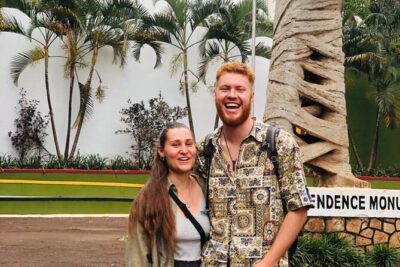
The first part of the route gives you a framework for the city. You visit Constitutional Square, the World War Memorial Monument, the Independence Monument, the King Muteesa II Monument, and the Main Post Office.
These are not quick photo stops with no context. A local guide can connect them to Uganda’s political and national story, which is useful because Kampala’s history is spread across public spaces rather than gathered in one easy museum visit. I like this approach for a first day in the capital: you see the symbols, then hear why they matter.
The Independence Monument is an obvious point of interest, but the combination is more useful than any single monument. Constitutional Square and government installations help you understand Kampala as a working capital. The King Muteesa II Monument adds another layer, linking the city to Buganda and its royal tradition.
The exact amount of time at each stop can vary. That flexibility is a plus if you want to ask questions, but it also means the route may feel brisk. If you stop often for photos, you may have less time in the markets later.
A café break before the city gets louder
The itinerary includes a toilet and refreshment break at a popular local café. It is a small but practical pause before the tour moves into the denser downtown areas.
Use this moment to buy a drink if you need one, check your cash, and prepare for the markets. Food and drinks are not included, so carry Ugandan currency. You will also want small notes if you plan to buy fruit, snacks, fabric, or other inexpensive items.
This break helps keep the walk manageable, but do not expect a long sit-down meal. The main food experience comes from what you find along the route, not from a formal restaurant.
Nakasero Market and the flavors of Kampala
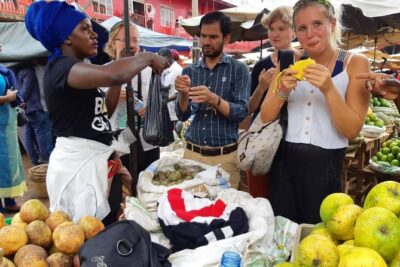
Nakasero Market brings the tour closer to everyday shopping. Here you can see fresh produce and local ingredients, smell herbs and spices, and try in-season fruit. The guide helps turn the market from a wall of color and movement into something you can understand.
I like the emphasis on tasting. A market is much more memorable when you take part instead of simply walking through with a camera. Bring local currency and tell your guide what you are comfortable trying. The experience is designed to encourage curiosity, but you are not required to sample everything.
The food options include rolex, a Ugandan street-food favorite made with chapati and eggs, along with grasshoppers and other local snacks. The information provided does not guarantee every item on every departure, so think of these as possible tastings rather than a fixed menu.
You may also get a chance to bargain with a vendor. That can be fun, but it is best approached as a social exchange rather than a contest. Let your guide show you the local rhythm. If you are unsure about a price or how hard to negotiate, ask before making an offer.
A few more Kampala trips worth weighing up
- 3 Hours Guided Cycling Tour Across Lake Victoria
★ 5.0 · 151 reviews - Entebbe Walking Tour (3 Hours) with Zoo and Botanical Gardens Options
★ 4.5 · 36 reviews - Free Female Guided Walking Tours Kampala (3 Hours)
★ 5.0 · 25 reviews - Kampala: Three-Hour Food Tour
★ 4.6 · 15 reviews
Old Taxi Park and Owino Market
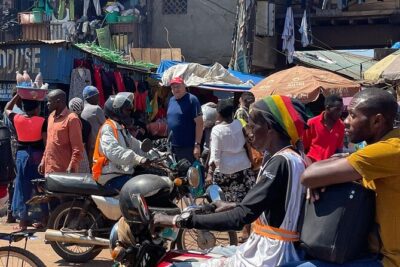
The route then crosses into downtown Kampala, where the pace rises. Old Taxi Park is a transport hub, and its activity gives you a direct look at how people move around the capital. Owino Market adds another large, crowded shopping area to the route.
This is the part of the walk that many people find most exciting, but it may also be the most demanding. Expect noise, movement, crowds, and a lot to take in at once. You will need to stay close enough to hear your guide and keep track of your belongings.
Owino Market is also where the tour feels least like a standard sightseeing circuit. You can browse local fabrics, watch buying and selling, and see how market trade fits into city life. The guide’s presence is especially valuable here because it is easy to lose your bearings or miss the point of what you are seeing.
The guide can also help you judge when to spend time and when to move on. One of the strongest features of this experience is that the route is not treated as a rigid checklist. Guides have adjusted stops when people wanted longer in a market or needed to cut something for time.
The optional boda ride back to Buganda Road
Near the end of the walking portion, you can take a short boda ride back to the Craft Market. The ride lasts about 10 minutes and is included in the standard tour price.
A boda is a local motorbike taxi, so this is not just a transfer. It gives you a quick taste of Kampala’s road life and can save your legs after two to three hours on foot. Several people have singled out the ride as one of the tour’s most enjoyable moments.
You can continue walking instead if you prefer not to ride a motorbike. That choice is useful, but the tour does not provide hotel drop-off. The official end is back at the Craft Market, where you can shop for souvenirs or stop for local coffee at 1000 Cups cafe.
If you plan to take the boda, wear practical clothing and secure loose items. The supplied information does not provide further safety equipment or specific riding arrangements, so ask the guide any questions before setting off.
Adding Gaddafi National Mosque and its minaret view
The optional upgrade adds a one-hour visit to Gaddafi National Mosque, officially called the Uganda National Mosque. After the walking tour, you ride a boda to the mosque and tour the building with the guide.
The main payoff is the minaret. Climbing to the top gives you a broad view of Kampala and helps you see how the city spread from the place where Fredrick Lugard established the old city of Kampala. The view also gives physical meaning to Kampala’s description as a city of seven hills.
I would choose the mosque option if this is your first visit or if you want a strong visual finish. After seeing streets and markets at ground level, the minaret lets you understand the city’s shape from above. It also adds cultural and architectural interest to a tour otherwise focused heavily on markets and public monuments.
The trade-off is time. The basic route already lasts three hours, and the mosque adds another hour plus the boda ride there and back. If you have only a short stop in Kampala, the standard walk may be enough. If you have a full day, the mosque option makes the experience feel more complete.
Dress and behave respectfully at the mosque. The supplied details do not specify a formal dress code, so ask the guide what is appropriate before entering.
What the guides add to the experience
The guide is the main reason to book this rather than follow a map. Kampala’s city center can feel complicated and hectic when you first arrive, and the guide helps you move between monuments, markets, and transport areas with more confidence.
The strongest praise goes to the human side of the guiding. Ronald has been noted for speaking fluent English and German, balancing information with humor, taking photographs, and adjusting the plan when time became tight. Simon has been praised for explaining Kampala and Uganda while showing the local side of city life. Andrew is valued for history, flexibility, and making people feel safe while walking through the urban areas.
Sabrina has also been warmly praised for her friendly manner. The provider offers English, French, and German, though you should confirm the language available on your departure.
Because guide quality shapes the day, I would ask for the guide’s name and language when arranging the tour. The company is Immersion UG, and the experience has an overall rating of 4.6 from 50 reviews, a solid result for a walking tour built around busy public spaces.
Price, group size, and practical value
At $24 per person, the tour offers good value if you want an introduction rather than a private deep-dive into one subject. You get three hours with a local guide, food orientation, historical context, market access, and a short boda ride.
The value is strongest for a first day in Kampala. You cover enough ground to understand the city’s main areas, then you can decide where to return on your own. The guide also removes some of the uncertainty of trying street food, shopping in markets, or navigating downtown alone.
The price does not include food, drinks, hotel pickup, or the mosque unless you select that option. Those extras are not a problem, but they mean you should budget a little more and carry local currency.
A group limit of 15 keeps the cost down while avoiding a large coach-style outing. Still, the experience will feel more personal if the group is smaller. One departure was effectively private because only two people booked, but you should not assume that will happen.
Who should book this walking tour?
I would recommend it to first-time visitors who want to understand Kampala quickly and prefer people, food, and streets over a long list of indoor attractions. It is also a good choice if you have one day in the city and want a clear starting point.
You will get the most from it if you are curious, comfortable walking for two to three hours, and willing to taste something unfamiliar. The route is not suited to anyone looking for a quiet, polished sightseeing experience. Kampala is noisy, active, and sometimes confusing, and that is part of what you are paying to experience.
The tour is not suitable for children under 12, pregnant women, or people with mobility impairments. Wear sneakers or walking shoes, choose comfortable clothes, check the forecast, and carry a jacket if rain or cooler weather is possible.
Final verdict: choose the mosque option if time allows
Book this tour if you want a lively first encounter with Kampala and do not want to navigate the markets alone. The best parts are the local guide, street-food tastings, market route, and chance to see the city from ground level instead of through a vehicle window.
Choose the Gaddafi Mosque upgrade if you have enough time for four hours and want the minaret view over the seven hills. Skip it if your schedule is tight or you would rather spend the extra time browsing Owino and Nakasero markets.
At $24, this is a practical introduction with real local contact, not a luxury sightseeing package. Go prepared for walking, noise, bargaining, and a little culinary bravery, and you should finish with a much clearer sense of how Kampala works.
FAQ
Where does the Kampala walking tour start?
It starts at the entrance of the Craft Market on Buganda Road. Arrive at least 10 minutes early and look for the guide holding a black umbrella with the local partner’s logo and the words Free Tour Starts Here.
How long does the walking tour last?
The walking tour lasts three hours and involves a moderate amount of walking, generally around two to three hours on foot.
Is the Gaddafi National Mosque included?
The mosque is included only when you select the option that adds the one-hour visit. The standard tour does not include it.
How long is the mosque add-on?
The Gaddafi National Mosque visit lasts one hour. The option also includes boda rides to and from the mosque.
What food can I try?
You may taste fresh in-season fruit, rolex, grasshoppers, and other local street food. Food and drinks are not included, so carry local currency.
Is the boda ride required?
No. The tour includes an optional short boda ride of about 10 minutes at the end. You may walk back to the Craft Market instead.
Who is this tour not suitable for?
The experience is not suitable for children under 12, pregnant women, or people with mobility impairments. Comfortable clothing and walking shoes are recommended.
Just added around Kampala
- 4-Day QENP, Gorillas in Bwindi and Lake Bunyonyi relaxation★ 5.0 · 3 reviews
- 3 Days Murchison Falls Wildlife Safari★ 4.5 · 3 reviews
- 3 Days Private Tour in Murchison Falls National Park★ 5.0 · 3 reviews
- 2Days Murchison Falls NP Safari★ 5.0 · 3 reviews
- 2-Day Wildlife Safari in Lake Mburo National Park★ 5.0 · 3 reviews
- Kampala: Female-Guided Walking Tour★ 3.7 · 3 reviews
- Entebbe kampala airport transfers★ 5.0 · 3 reviews
- From Kampala: Ziwa Rhino Sanctuary Day Tour with Lunch★ 4.7 · 3 reviews
Walking Tours, compared.

Kampala Walking Tour (3 Hours) with Optional Gaddafi Mosque Visit
Read our review →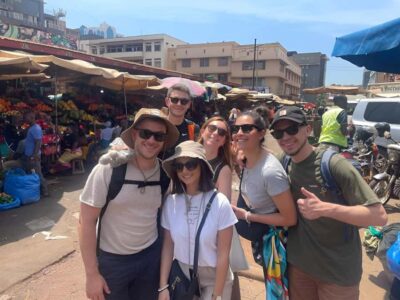
Kampala Half-Day Walking Tour with Local Female Guides
Read our review →Browse the lists this tour appears in