
Reviewed · WALKING TOURS
Kampala: Katanga Slum Guided Walking Tour
Katanga tells Kampala’s story from the ground up. I like the small six-person group, which gives you room to ask questions, and I like that your guide is a local resident who can explain the settlement’s past and present. The chance to meet people in homes, schools, churches, and youth projects makes this more than a quick look from a vehicle.
The main consideration is that this is a serious walking tour, not light sightseeing. You will see overcrowding, sanitation problems, and economic hardship, and some paths may be difficult if you have limited mobility. Still, the friendly guides, strong sense of safety, and direct community contact make it one of Kampala’s more meaningful short activities.
In This Review
- Key points at a glance
- Why Katanga makes a worthwhile Kampala stop
- Starting at Kitenji Uganda Safaris and Tours
- The walk through Wandegeya
- Entering Katanga with a resident guide
- Small businesses and everyday ingenuity
- Homes, schools, churches, and youth projects
- Facing the difficult parts honestly
- Safety, group size, and the guide’s role
- Is $25 good value for 90 minutes?
- Practical advice before you go
- Who should book the Katanga walk?
- Should you book this Katanga tour?
- FAQ
- Where does the Katanga walking tour start?
- How long does the tour last?
- What language is the tour conducted in?
- How many people can join the tour?
- What should I bring?
- Is the tour suitable for people with mobility impairments?
Key points at a glance
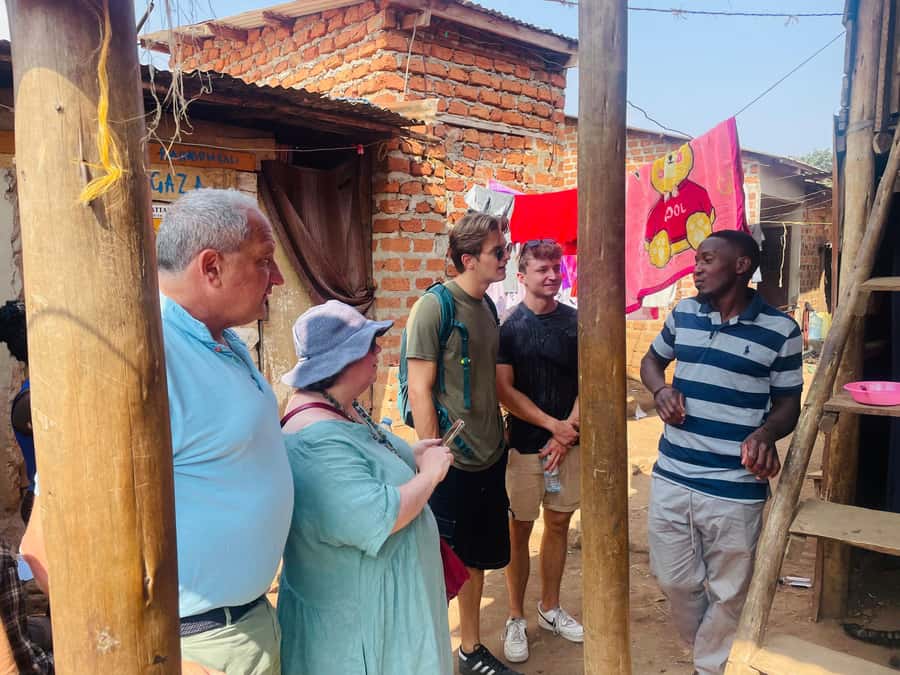
- Local guides set the tone: Guides such as Maxwell and Marvin explain the area, introduce you to residents, and cover the basic do’s and don’ts before you enter.
- Six people is the maximum: The small group keeps the walk personal and makes conversation easier in narrow alleys and busy paths.
- Katanga is shown as a community, not a spectacle: You may visit homes, a church, a school, a gym, youth projects, and small businesses.
- The tour lasts about 90 minutes: That is enough time for a focused introduction, but not enough for a full study of life in the settlement.
- You pay $25 per person: The price is reasonable if you value a local guide, community access, and a small group rather than a standard city walk.
- Comfortable shoes matter: The route includes walking through narrow paths, and the tour is not suitable for people with mobility impairments.
Why Katanga makes a worthwhile Kampala stop
Kampala is easy to experience through its main roads, markets, restaurants, and cultural attractions. Katanga asks you to look at another side of the city, one shaped by fast growth, limited infrastructure, and residents finding practical ways to earn a living and support one another.
I value tours like this when they help you listen rather than simply look. Katanga is not presented as a curiosity. Your guide explains how the settlement grew and how it fits into Kampala’s urban life, then connects that wider story to the people working, studying, worshipping, and raising families there.
That distinction matters. A slum tour can become uncomfortable if it treats poverty as entertainment. This walk is designed around conversation and local interpretation. You are encouraged to meet community members and hear their views, while the guide explains the problems without reducing the area to those problems alone.
The tone can change from difficult to cheerful within a few steps. You may see children playing, hear music from a church, and watch small businesses operate beside cramped homes. That mix of hardship, humor, work, and pride is what gives the tour its value.
More walking tours in Kampala:
- Kampala’s Best Experience walking tour
★ 5.0 · 137 reviews - Kampala Walking City Tours (Women Guided)
★ 5.0 · 115 reviews - Kampala Walking Tour (3 Hours) with Optional Gaddafi Mosque Visit
★ 5.0 · 112 reviews
Starting at Kitenji Uganda Safaris and Tours
The walk begins at Kitenji Uganda Safaris and Tours. From there, you head toward Wandegeya, with scenic views along the way before entering Katanga.
This opening section is useful because it gives you time to meet your guide and adjust to the pace. The guide also sets expectations. Marvin, for example, was praised for explaining where the settlement sits and for outlining the do’s and don’ts before the group went inside. That short briefing is important. It helps you behave politely and avoids the awkwardness of arriving without knowing how to act.
You should use this time to ask practical questions. If you want to understand the tour’s community visits, ask what is appropriate when entering a home, school, church, or project. If you are unsure about photographs, ask before taking out your phone. A respectful question is better than a careless assumption.
The meeting point also gives you a clear beginning and end. You do not need to make your own way into Katanga or try to locate a resident guide by yourself.
The walk through Wandegeya
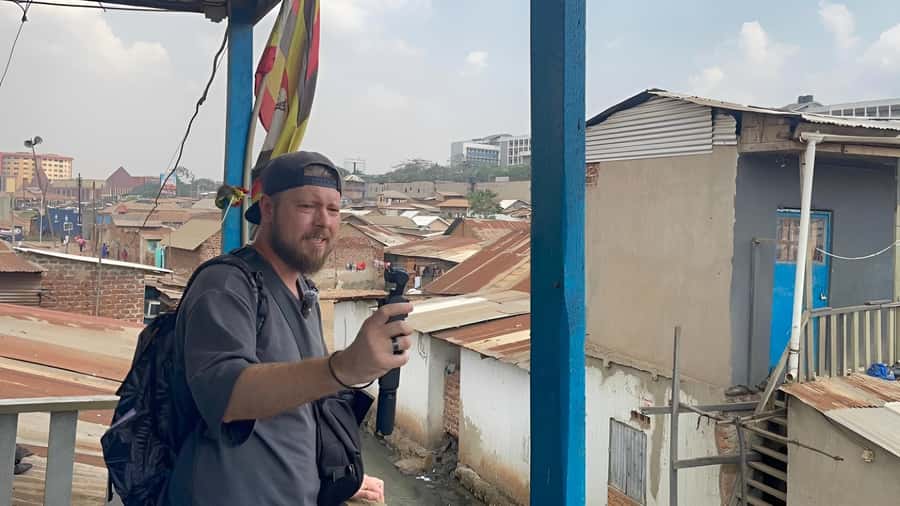
Wandegeya forms the link between the starting point and Katanga. The route includes views along the way, but this is not a separate sightseeing stop with a long list of monuments.
I see this part as a gentle transition from ordinary Kampala movement into the settlement. You can notice how roads, buildings, businesses, and foot traffic change as you approach Katanga, while your guide adds context about the city’s growth.
The tour is scheduled for about 1.5 hours in total, so do not expect an extended walk around Wandegeya. Its value is in the change of setting and the chance to begin a conversation with your guide before the more personal part of the visit.
Start times are available between 9 am and 7 pm, subject to confirmation after booking. Since the exact time is arranged with an agent, tell them your preferred start time promptly. That flexibility is useful if you are fitting Katanga between other Kampala plans.
Entering Katanga with a resident guide
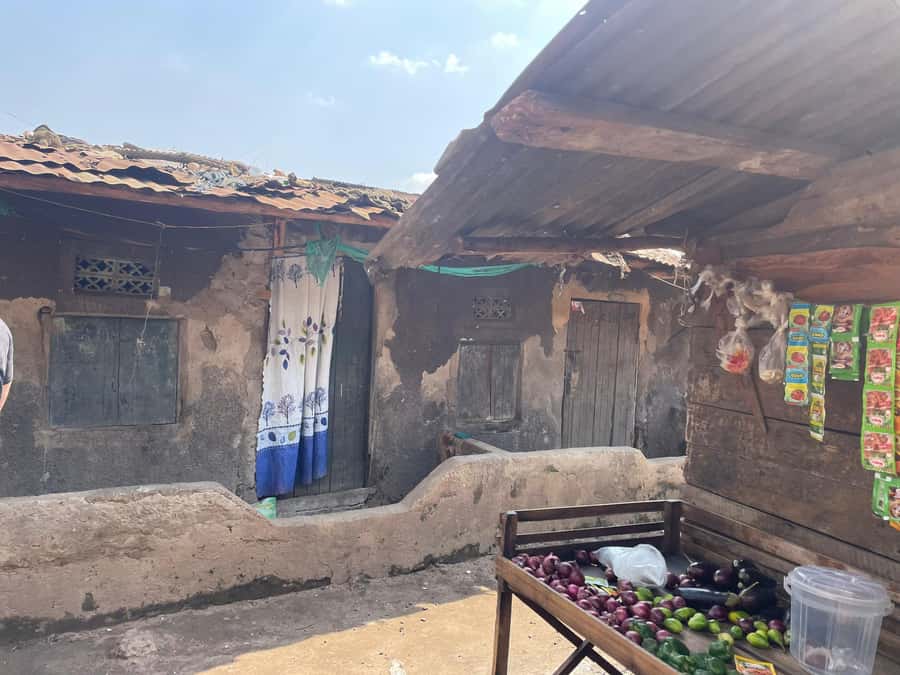
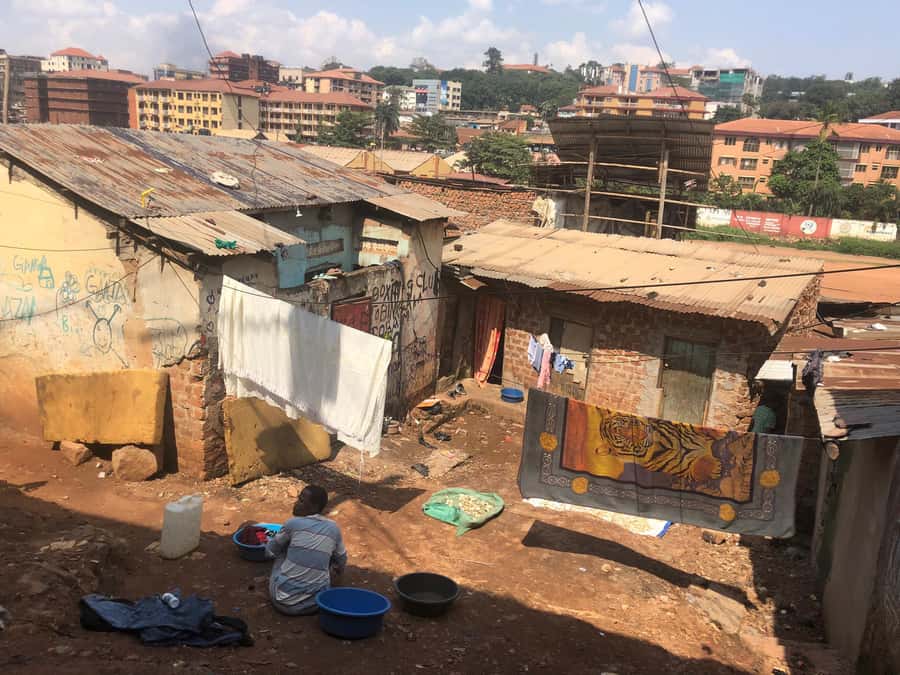
Once you reach Katanga, the guide explains its history, rapid growth, and place in Kampala. The settlement is one of Uganda’s largest informal settlements, and the tour focuses on the daily realities behind that label.
I would pay close attention here. The guide’s role is not just to lead you through alleys. It is to explain why people live as they do, how families adapt to limited services, and how residents build support networks in a difficult economic setting.
A local guide can also help you read situations that would be easy to misunderstand on your own. Maxwell was described as helping visitors access a world they would not have been able to see alone, while also making the group feel safe and at ease. Another group was accompanied by two guides, which added reassurance and practical support.
That does not mean you should switch off your common sense. Stay with the group, follow your guide’s instructions, and ask before interacting with people or photographing them. The most respectful approach is to remember that this is someone’s home and workplace, not a stage set for visitors.
A few more Kampala trips worth weighing up
- 3 Hours Guided Cycling Tour Across Lake Victoria
★ 5.0 · 151 reviews - Kampala: City Guided walking sightseeing Tour
★ 4.7 · 52 reviews - Inside Kampala Walking Tour (Female Guided)
★ 5.0 · 52 reviews - Inside Kampala walking tour (Female guided)
★ 5.0 · 40 reviews
Small businesses and everyday ingenuity
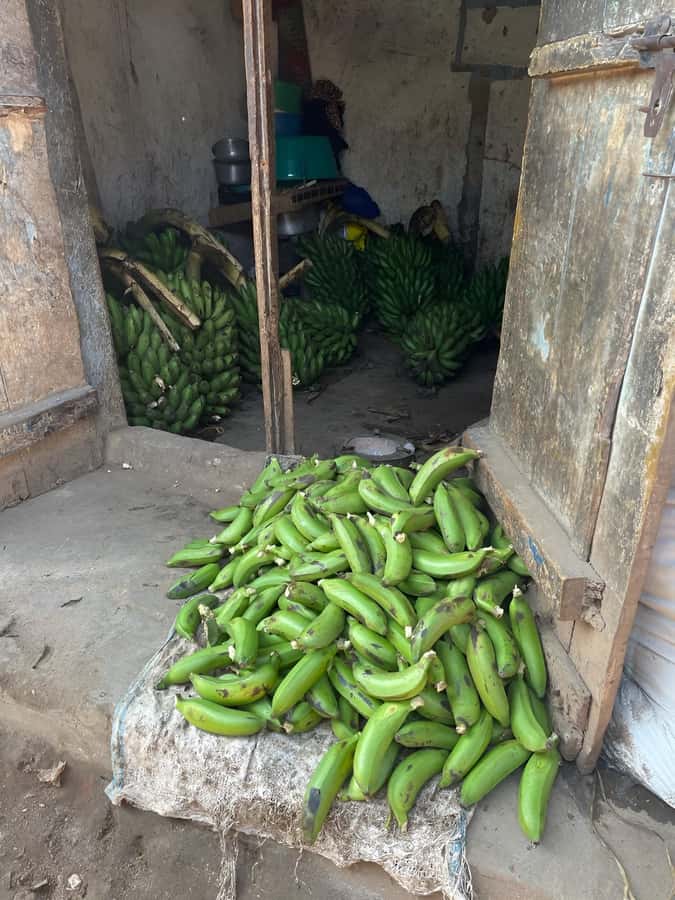
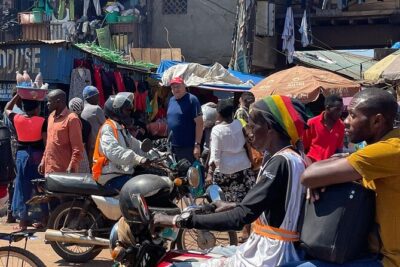
One of the strongest parts of the walk is the attention to work. You may see food stalls preparing chapati, market vendors selling fresh produce and handmade goods, and artisans turning scrap materials into useful items.
These details help explain how residents make a living when formal employment is hard to find. A small stall, workshop, or repair activity may support a household, even when the operation looks modest from the outside.
I like this focus because it shifts the story away from helplessness. Poverty is visible, but so is enterprise. Residents are not only coping with limited services. They are trading, producing, repairing, cooking, and finding ways to earn money with the tools available to them.
The narrow paths can make the walk feel close and busy. That is part of the experience, but it may also feel intense if you prefer open spaces or quiet sightseeing. Give yourself time to observe without blocking walkways, and let the guide decide when to pause.
Homes, schools, churches, and youth projects
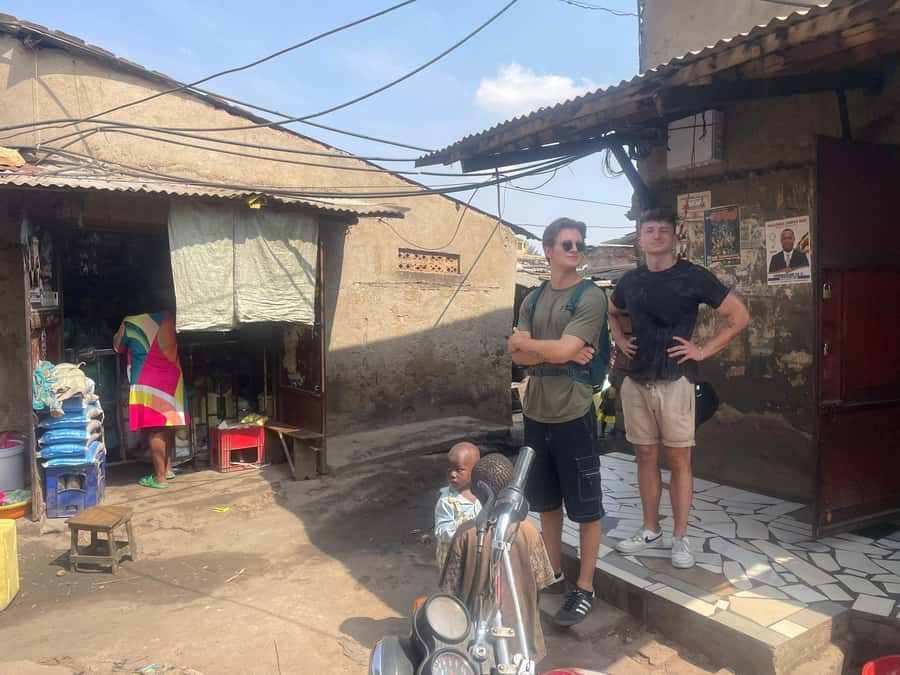
The community visits add a human scale to the tour. Depending on the day and local arrangements, you may visit homes, schools, a church, a gym, or youth projects. These places show how daily life is organized and how education and social activity can help young people move toward a different future.
A school visit can help you understand why education matters so much in a settlement where families face financial pressure. A youth project or gym may show how residents create useful spaces even when public facilities are limited. A church visit can reveal the role of music, worship, and shared gathering in community life.
You should treat each visit as a privilege, not an entitlement. The exact stops may vary, so I would avoid booking this tour with a fixed checklist in mind. The most important part is the chance to listen to people in places where they live, work, study, or gather.
The personal welcome can be memorable. One visitor described being received warmly in homes, a church, a school, a gym, and the surrounding alleys, with children especially pleased to see the group. That warmth does not erase the hardship, but it can make the encounter feel like a genuine exchange rather than a one-way observation.
Facing the difficult parts honestly
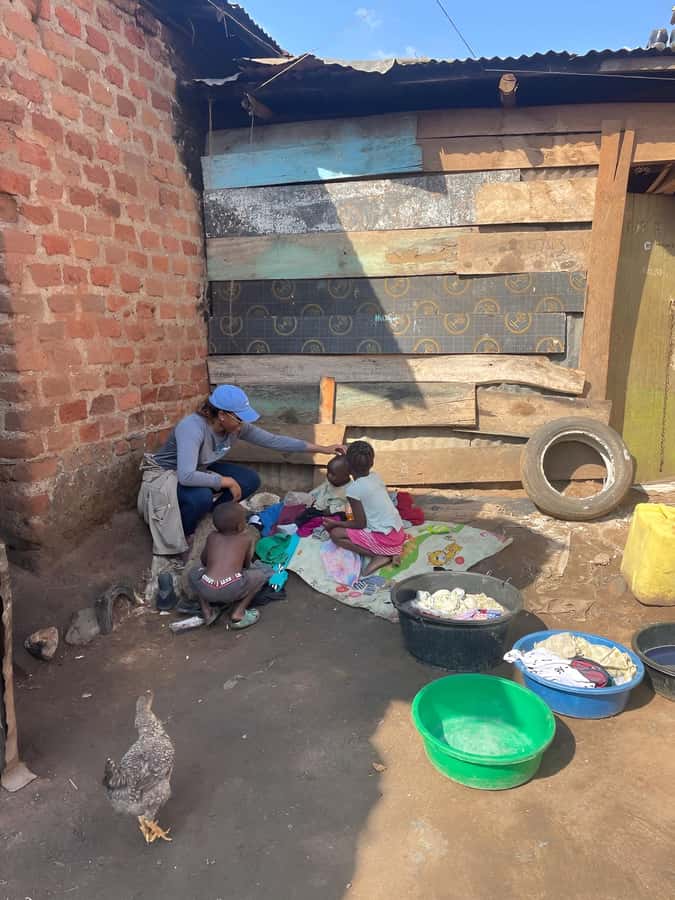
Katanga’s problems are part of the walk. Overcrowding, sanitation issues, limited infrastructure, and financial hardship are not softened into a cheerful city tour.
That honesty is valuable, but it also means you should prepare yourself emotionally. You may leave thinking about inequality in Kampala and about the gap between the city’s tourist face and the daily lives of many residents. Marcin described the tour as emotional because it showed a side of African life that visitors staying in resort areas can easily miss.
I would not call the experience comfortable in every sense. You may feel sad, surprised, or unsure how to respond. That is normal. The best response is not a forced donation or a dramatic reaction. Listen carefully, follow local guidance, and show courtesy.
At the same time, do not assume every person you meet wants pity. The tour also shows humor, pride, creativity, and ordinary routines. Katanga is a community with challenges, not a single story about suffering.
Safety, group size, and the guide’s role
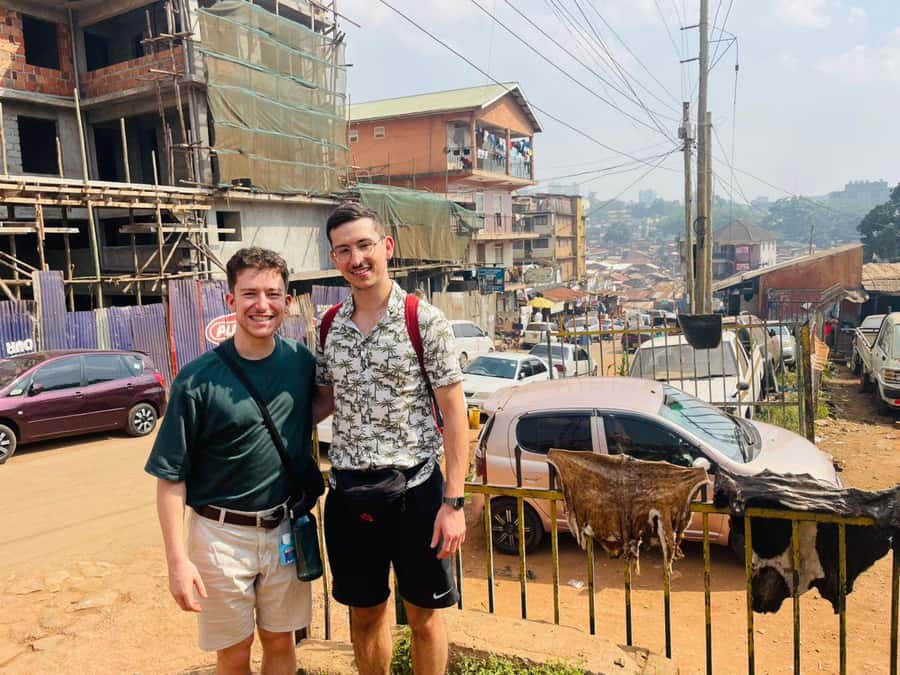
Safety is a key reason to book this with a guide rather than walk into Katanga independently. Several people specifically valued the sense of security, and one person noted having two guides. Maxwell and Marvin were both praised for being friendly, clear, and reassuring.
The limit of six participants is another real advantage. In a large group, you would be more likely to crowd narrow paths and dominate conversations. With six or fewer, you can ask questions, hear answers, and stay aware of how your presence affects the space around you.
Your guide also acts as a cultural interpreter. That means explaining what you see, introducing you appropriately, and helping you avoid behavior that might feel intrusive. Listen to the briefing at the start, then keep following that guidance throughout the walk.
English is the tour language. If you need the guide to slow down or explain a term, ask. The point is understanding, not pretending you caught every word while walking.
Is $25 good value for 90 minutes?
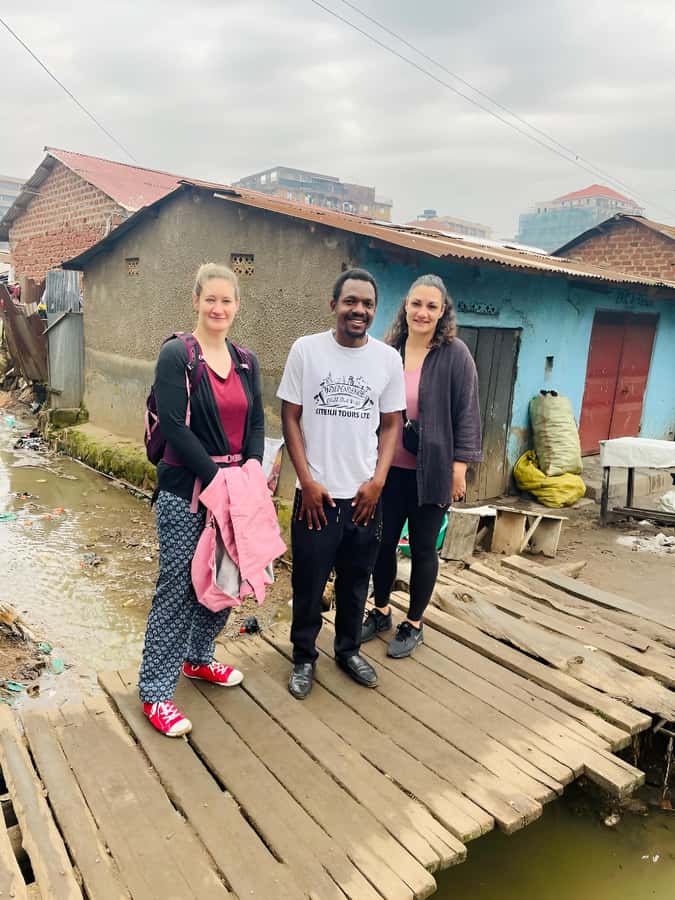
The cost is $25 per person, with a professional guide included. Meals and drinks are not included, but the tour is short enough that this should not be a major issue. Bring water if you need it, since no refreshments are provided as part of the activity.
At first glance, $25 for ninety minutes may seem higher than a simple self-guided walk. That comparison misses the main benefit. You are paying for local access, introductions, interpretation, a planned route, and the chance to visit places you would not sensibly approach alone.
The small group improves the value. Six people maximum means your fee supports a more personal experience rather than a crowded procession. The provider also says proceeds often support local projects, which gives the price a possible community benefit, though I would ask the guide how that support works if it matters to your decision.
The price is best for you if you want context and human contact. If you are only looking for inexpensive city views, this is not the right measure of value. If you want a guided conversation about urban poverty, work, education, and resilience, the fee is fair.
Practical advice before you go
Wear comfortable shoes. The route includes narrow alleys and paths, and the tour is not suitable for people with mobility impairments.
Bring curiosity, but also restraint. Ask permission before taking photographs, especially inside homes, schools, churches, or community projects. Avoid treating children as photo subjects unless your guide confirms that it is welcome.
I would also leave room in your schedule. The stated duration is about 1.5 hours, and the preferred start time is confirmed after booking. The provider allows cancellation up to 24 hours before the tour for a full refund and offers reserve-now, pay-later booking, useful if your Kampala plans are still moving around.
The tour is available between 9 am and 7 pm, but do not assume every time is automatically available. Confirm the starting hour with the agent after booking.
Who should book the Katanga walk?
This tour suits you if you want to understand Kampala beyond standard attractions and are prepared to listen to local voices. It is especially useful for first-time visitors who want a clear introduction to informal settlement life without trying to navigate the area alone.
It also suits people interested in education, urban development, inequality, small business, and community projects. The visits to homes, schools, churches, gyms, and youth activities give you several ways to think about those subjects.
I would not recommend it if you have limited mobility, dislike walking through confined spaces, or want a relaxed sightseeing outing with no difficult subject matter. It is also not the best choice if you expect a fixed route with guaranteed stops, since community access can vary.
Should you book this Katanga tour?
I would book it if you want a short but serious introduction to life in one of Kampala’s largest informal settlements. The strongest reasons are the local guides, the six-person limit, and the chance to meet people in everyday community settings rather than simply view Katanga from a distance.
Book with the right expectations. You are not going to a polished attraction, and the tour will not answer every question about poverty in Uganda. But for $25, you get a safe, guided route, direct conversation, and a more honest picture of Kampala’s inequalities and resourcefulness. Bring comfortable shoes, ask permission, listen well, and let the community set the pace.
FAQ
Where does the Katanga walking tour start?
The tour starts at Kitenji Uganda Safaris and Tours.
How long does the tour last?
The walking tour lasts approximately 1.5 hours.
What language is the tour conducted in?
The live tour guide speaks English.
How many people can join the tour?
The group is limited to six participants.
What should I bring?
You should bring comfortable shoes. Meals and drinks are not included.
Is the tour suitable for people with mobility impairments?
No. The activity is not suitable for people with mobility impairments.
Just added around Kampala
- 4-Day QENP, Gorillas in Bwindi and Lake Bunyonyi relaxation★ 5.0 · 3 reviews
- 3 Days Murchison Falls Wildlife Safari★ 4.5 · 3 reviews
- 3 Days Private Tour in Murchison Falls National Park★ 5.0 · 3 reviews
- 2-Day Wildlife Safari in Lake Mburo National Park★ 5.0 · 3 reviews
- 2Days Murchison Falls NP Safari★ 5.0 · 3 reviews
- Kampala: Female-Guided Walking Tour★ 3.7 · 3 reviews
- From Kampala: Ziwa Rhino Sanctuary Day Tour with Lunch★ 4.7 · 3 reviews
- Entebbe kampala airport transfers★ 5.0 · 3 reviews
Walking Tours, compared.
Kampala Walking Tour (3 Hours) with Optional Gaddafi Mosque Visit
Read our review →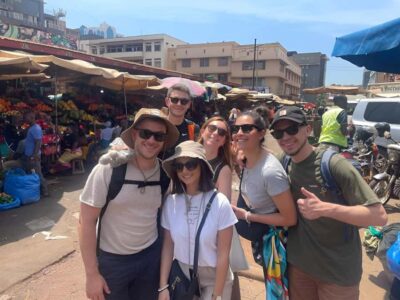
3-Hour Walking Tour with Optional Gaddafi Mosque
Read our review →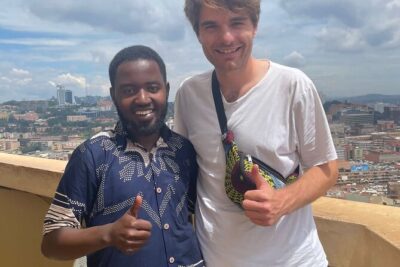
Browse the lists this tour appears in